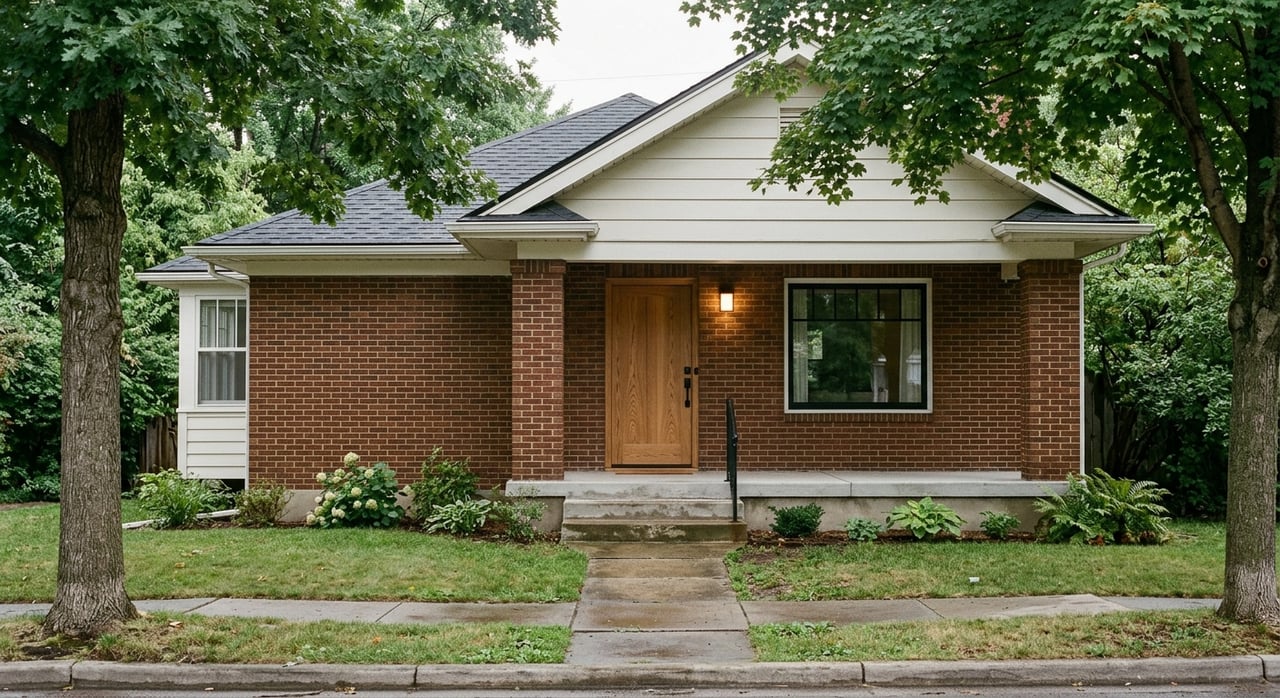
Trying to choose between a condo and a bungalow in Royal Oak? You are not alone. Both options can make sense here, but they offer very different day-to-day lifestyles, monthly costs, and resale considerations. If you are weighing walkability against yard space, or HOA dues against home maintenance, this guide will help you compare the tradeoffs with Royal Oak in mind. Let’s dive in.
Royal Oak Offers Both Lifestyles
Royal Oak gives you a little of both worlds. City planning materials show that about 60% of the city’s land area is single-family detached, while about 7% is multifamily or townhomes. At the same time, the city also notes demand for multifamily housing near downtown services and downsizing options for older residents.
That mix is part of what makes this decision so personal. You can find classic detached homes on residential streets, but you can also find condo and loft living in the downtown core in buildings like The Fifth, SkyLofts, Main North Lofts, and Troy Street Lofts. In other words, Royal Oak is not a one-style market.
What Condo Living Looks Like
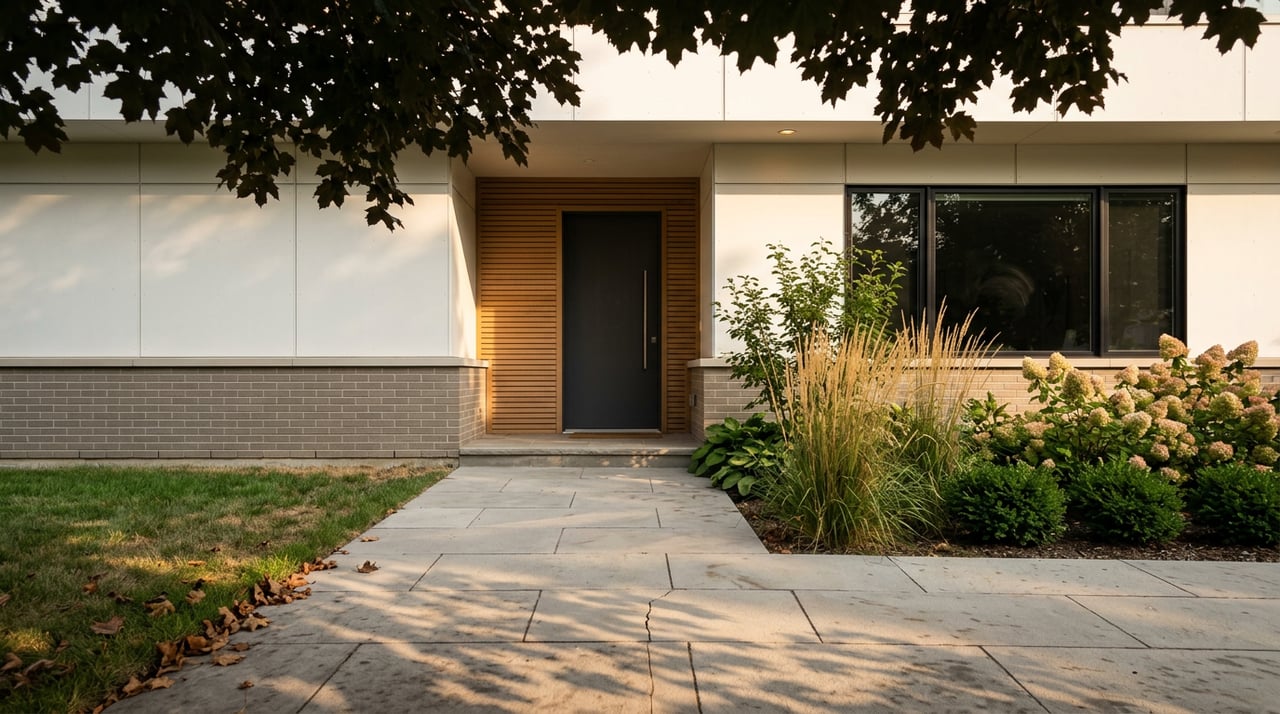
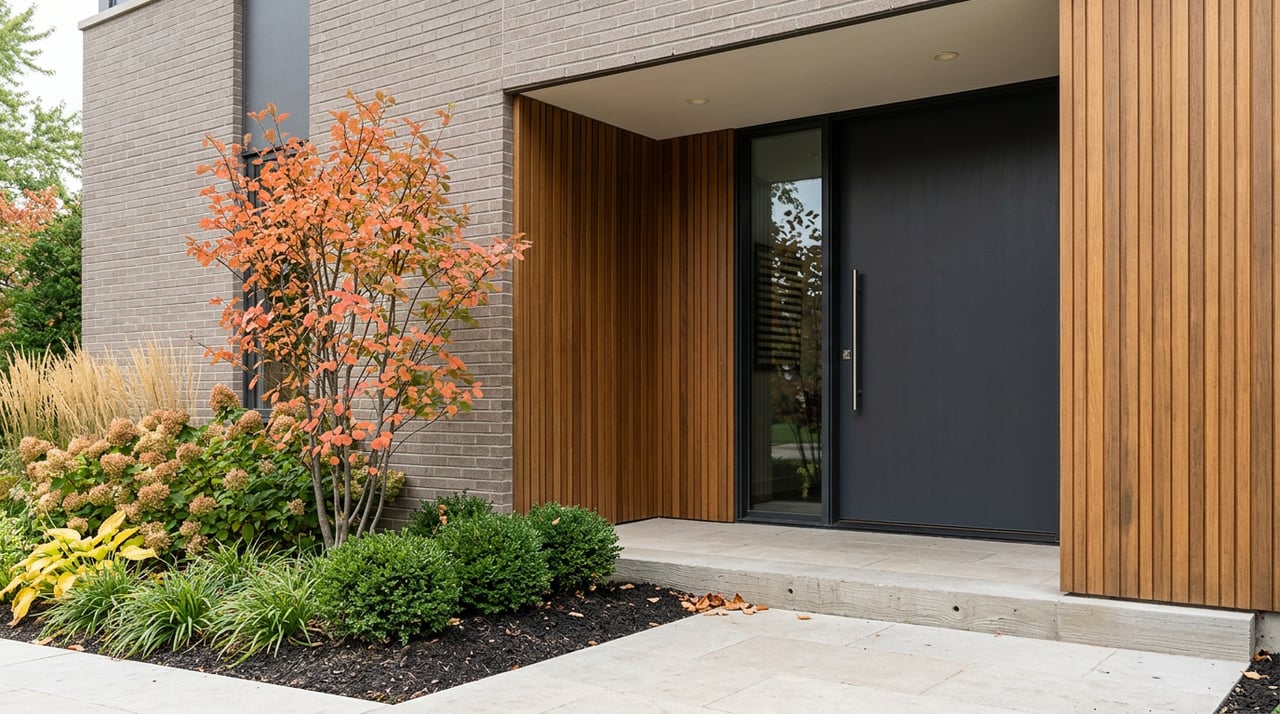
Condo living in Royal Oak often appeals to buyers who want a more centralized lifestyle. Downtown Royal Oak is described by the city as highly walkable, and that can be a major draw if you want easier access to shops, restaurants, and services. For many buyers, that convenience is a big part of the value.
Another key benefit is lower exterior upkeep. Condo associations commonly handle shared structures and elements like roofs, driveways, and other common areas. That does not mean condo ownership is maintenance-free, but it can reduce the amount of exterior work you manage directly.
In Michigan, condo ownership is governed by the Michigan Condominium Act. That means the association rules and project documents are a central part of what you are buying, not just extra paperwork at the end. Before you buy, it is important to understand the bylaws, dues, and financial health of the association.
Condo Prices in Royal Oak
Royal Oak’s April to December 2025 residential sales study shows a wide condo price range. Older garden-style condos sold around the low-$100,000s, while some newer or downtown loft and condo sales reached roughly $300,000 to $515,000. Sales examples included properties in SkyLofts, Fifth Street Condo, Spruce Manor, Station 3 Lofts, Metropolitan Lofts, and 610 South.
That price spread matters. A condo in Royal Oak can mean very different things depending on location, building age, amenities, parking, and overall condition. You are not just choosing “a condo.” You are choosing a specific building and ownership structure.
Condo Costs to Watch
One of the biggest condo questions is simple: what is the true monthly cost? HOA dues are typically paid directly to the association and are not part of your mortgage payment. Depending on the property, dues can range from a few hundred dollars to more than $1,000 per month.
That is why condo buyers should look beyond the list price. You need to add together your mortgage, property taxes, insurance, and HOA dues to get a realistic monthly number. In Royal Oak, Census QuickFacts show median monthly owner costs with a mortgage at $1,902, which can serve as a useful budget baseline as you compare options.
Condo Financing and Resale
Condos can require a little more review during financing. Fannie Mae notes that condo underwriting can involve extra cost and time because lenders may need to review project eligibility. The association’s structure and financial condition can affect how smoothly financing goes.
That same issue can matter again at resale. A well-run association and lender-friendly project can support buyer demand, while concerns about the association may narrow the pool of eligible buyers. If you are considering a condo, the project itself deserves as much attention as the unit.
What Bungalow Living Looks Like
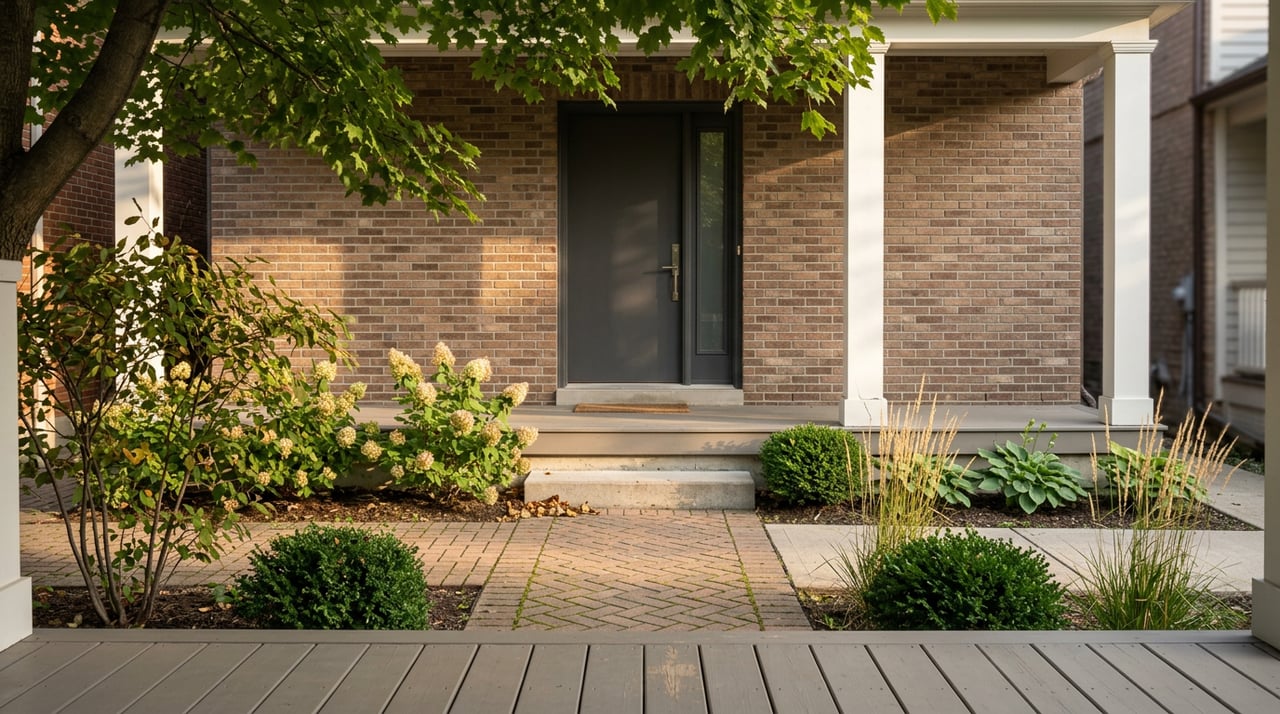
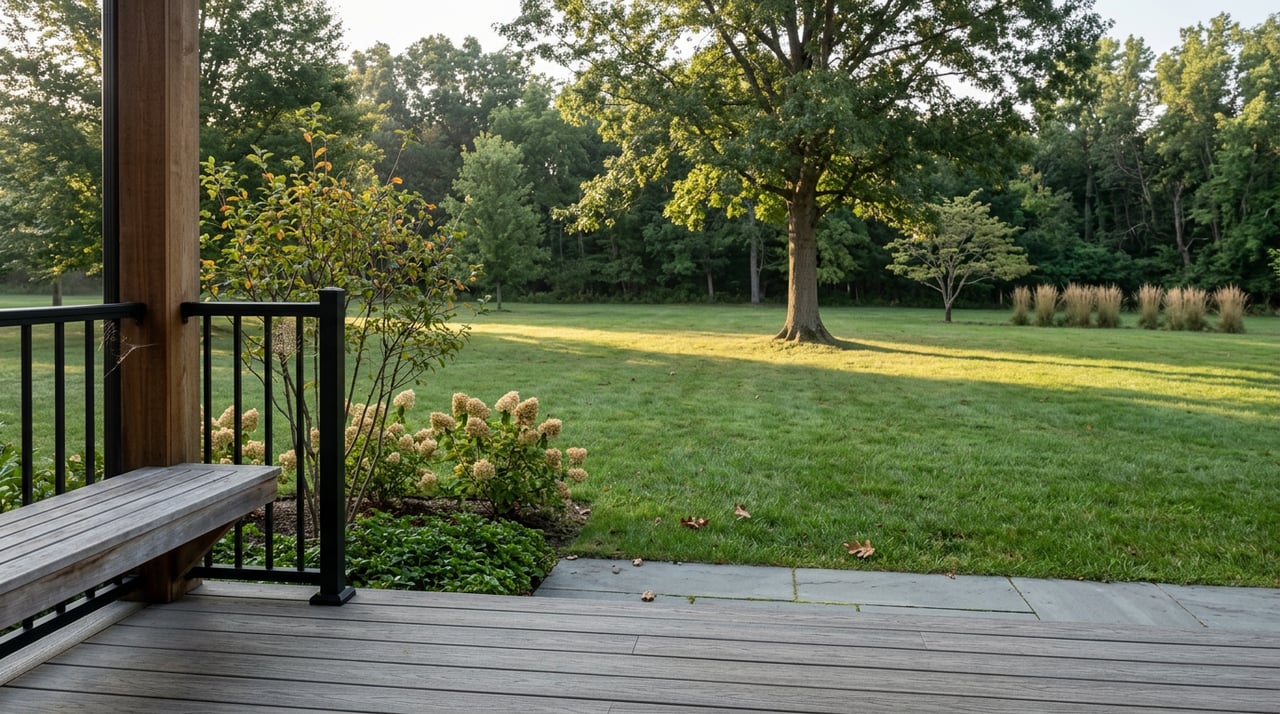
A bungalow offers a different kind of appeal. In Royal Oak, these homes often attract buyers who want a detached-home feel, more privacy, and control over the property. If you like the idea of a porch, a yard, and no association rules, a bungalow may feel like a better fit.
Royal Oak describes itself as a tree-covered community with large trees lining many residential streets and a mix of home styles. That helps explain why classic detached homes continue to draw buyers here. The setting can feel established and comfortable, especially if you want a quieter residential environment rather than a downtown building.
Bungalows also tend to give you more direct say over how the property is maintained and updated. That can be a plus if you want flexibility. It can also mean more responsibility, because the repair decisions and costs stay with you.
Bungalow Prices in Royal Oak
Royal Oak’s April to December 2025 residential sales study gives a useful local snapshot. Bungalow sales on streets such as Ellwood, Prairie, Garden, and Cummings were roughly in the $260,000 to $350,000 range. The examples shown were generally late-1940s to early-1950s homes.
That tells you something important about this market. In Royal Oak, a bungalow is not always the bargain option. Many of these homes sit in a character-rich segment of the market and appeal to buyers who want a smaller standalone home with established neighborhood appeal.
Bungalow Costs to Watch
With a bungalow, you take on more direct maintenance responsibility. Homeowners are responsible for repairs ranging from small fixes to major items like roof replacement. You also need to budget for utilities, routine upkeep, and larger surprise expenses over time.
This is where monthly cost comparisons can get tricky. A bungalow may not have HOA dues, but that does not always mean it is cheaper to own each month. A lower fixed payment can be offset by repairs, landscaping, or aging systems that need attention.
Condo vs. Bungalow in Royal Oak
The biggest mistake buyers make is assuming one property type is always cheaper or always better. In Royal Oak, condo and bungalow prices can overlap. The city’s 2025 sales data shows that some bungalows sold in the high-$200,000s to mid-$300,000s, while condos ranged from the low-$100,000s to the $400,000s and $500,000s.
That overlap means your decision should come down to fit, not labels. A downtown condo with strong amenities and parking may cost more than a bungalow. An older condo with dues may compete more directly with an entry-level detached home.
Quick Comparison
| Factor | Condo | Bungalow |
|---|---|---|
| Lifestyle | Often more centralized and walkable | More detached and private |
| Exterior upkeep | Shared through association | Managed by homeowner |
| Monthly extras | HOA dues | Maintenance and repair costs |
| Financing | May involve project review | More focused on home condition |
| Property control | Shared rules and documents | More direct owner control |
Questions to Ask Before You Choose
A smart decision starts with honest questions about how you want to live. Think about your routine, your budget, and how long you expect to stay in the home. Those answers can make the right choice much clearer.
Ask yourself:
- Do you want downtown walkability or a detached-home feel?
- Are you comfortable paying HOA dues each month?
- Would you rather share exterior maintenance or manage it yourself?
- Can your budget handle repairs, taxes, insurance, and dues together?
- If buying a condo, does the project appear financially healthy and lender-friendly?
- If buying a bungalow, what is the condition of the roof, windows, and mechanical systems?
Your timeline matters too. Buying and selling a home involves meaningful costs, so it helps to think about how long you expect to stay put. Condo project health can affect resale and financing later, while bungalow repair needs can shape your budget and timing in a different way.
Which Option Fits You Best?
A condo may be the better match if you want lower exterior upkeep, a more lock-and-leave lifestyle, and proximity to downtown Royal Oak. It can also make sense if you are downsizing or prefer a more centralized daily routine. The tradeoff is that you need to be comfortable with HOA dues, association rules, and project-level review.
A bungalow may be the better choice if you want a yard, more privacy, and more control over the property. It can be a strong fit for first-time buyers, downsizers who still want a detached home, or anyone who values a traditional neighborhood setting. The tradeoff is that you take on the maintenance and repair burden directly.
In Royal Oak, the right answer often comes down to lifestyle first and budget second. Both property types have a place in the market, and both can be smart purchases when they match your priorities. If you want help comparing specific condos, lofts, or bungalows in Royal Oak, the team at Ryan Nelson can help you weigh the numbers, the lifestyle fit, and the resale picture with local insight.
FAQs
What does an HOA fee usually cover in a Royal Oak condo?
- HOA dues commonly help cover shared structures and common elements such as roofs, driveways, and other shared areas, but the exact coverage depends on the association documents.
How should you compare condo dues to bungalow maintenance costs in Royal Oak?
- You should look at your full monthly housing cost, including mortgage, taxes, insurance, dues, utilities, and likely repair or maintenance expenses.
Are condos or bungalows more expensive in Royal Oak?
- Either can be more expensive depending on location, condition, building age, parking, amenities, and association quality, since local sales data shows overlapping price ranges.
What should you review before buying a Royal Oak condo?
- You should review the association documents, monthly dues, project structure, and whether the condo appears lender-friendly for financing purposes.
What should you inspect carefully before buying a Royal Oak bungalow?
- You should pay close attention to the roof, windows, mechanical systems, and overall maintenance history because those costs usually stay with the homeowner.
Is Royal Oak mostly condos or mostly detached homes?
- Royal Oak is still mostly a detached-home market, with city planning materials showing about 60% of land area as single-family detached and about 7% as multifamily or townhomes.