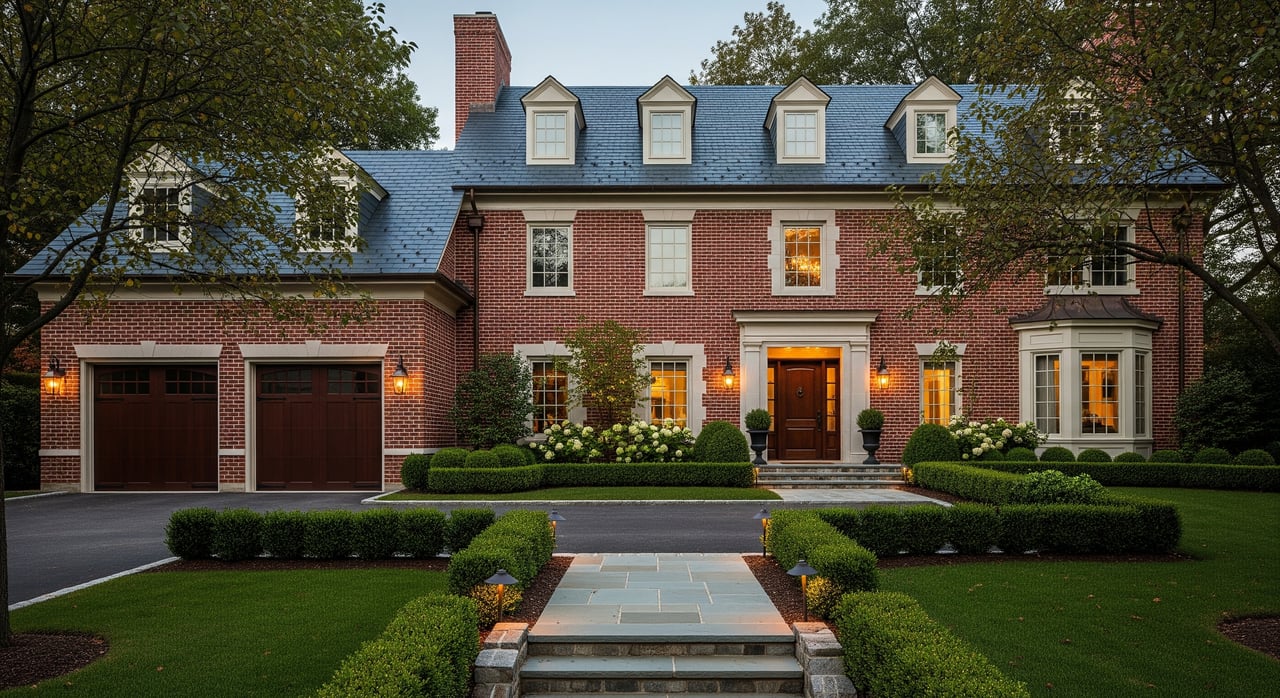
Are you wondering what your Birmingham luxury home is worth right now? Pricing at the high end can feel complex, especially when rates, inventory, and buyer preferences keep shifting. You want a number that protects your equity, moves the right buyers to act, and stands up to appraisal. This guide breaks down a clear, local process you can follow to price with confidence. Let’s dive in.
Luxury pricing drivers in Birmingham
Downtown walkability and lifestyle
Proximity to Downtown Birmingham’s Maple and Old Woodward corridor, along with access to Shain Park, commands a meaningful premium. Buyers who prioritize walkability to restaurants, retail, and parks often pay more for homes within an easy stroll of these amenities. Shorter commutes also factor in, so homes near major corridors and job centers often see stronger interest. If your property sits in a walkable pocket, that should be reflected in pricing.
School district impact on demand
Many family buyers search within Birmingham Public Schools, and district reputation can expand the buyer pool for luxury properties. When you compare sales, line up school assignments to see how they correlate with buyer activity and final price. Keep the language in your listing neutral and factual, and let the data speak. The broader the pool of well-qualified buyers, the more confident you can be with your price.
Lot, privacy, and special features
In the luxury tier, lot characteristics often move price as much as square footage. Mature landscaping, a private setting, or a larger lot can drive meaningful value. Features like a pool, guest house, elevator, 3 to 4 car garage, or indoor-outdoor living spaces are important at this price point. If a buyer would expect these amenities and your home does not have them, plan for either updates or price allowances.
Comparable neighborhoods across lines
Birmingham luxury buyers also shop adjacent communities such as Bloomfield Hills, Bingham Farms, Franklin, and parts of Bloomfield Township. If lot size, age, and amenities are similar, relevant comps may cross municipal boundaries. This broader set helps anchor value when same-street sales are limited. It also gives you a more complete view of what top-end buyers are choosing.
Build a Birmingham-ready CMA
Define your comp set with precision
Start with your immediate neighborhood, then expand to nearby luxury pockets that match on feel and function. Focus on finished square footage within about 10 to 20 percent, similar bedroom and bathroom counts, and quality of construction. Prioritize recent renovations and substantial upgrades because luxury buyers prefer turnkey. When the exact match is not available, document differences clearly and prepare dollar-based adjustments.
Use a 6 to 12 month window
High-end homes trade less frequently, so a longer lookback improves accuracy. Lean on the most recent closed sales first, then evaluate active and pending listings to read current pricing expectations. When inventory has risen since 2020 to 2021, you may see longer days on market at the top of the range. If pendings show stronger traction, that is a signal to where buyers are writing checks today.
Make dollar adjustments that fit luxury
Price per square foot is a rough benchmark in this tier. Finishes, architecture, and outdoor living space often dominate value. Create a simple adjustment matrix for features that matter in Birmingham, such as pool, garage capacity, finished lower level, and lot privacy. Quantify estimated renovation costs for missing updates and subtract them if you will not complete the work before listing.
Balance price per square foot with quality
Two homes can share the same size but diverge widely on materials and craftsmanship. Present price per square foot alongside your adjustments so buyers and appraisers can see the full picture. If your home’s design, mechanical systems, and windows have been recently upgraded, support your price with documentation. If not, positioning the list price to reflect a buyer’s likely improvement budget will help you avoid drawn-out negotiations.
Strategy: choose the right list price
Market-value pricing
- Pros: Attracts qualified buyers quickly, reduces price cuts, and aligns with appraisal.
- Cons: Leaves limited room for wide negotiations.
- Best for: Sellers who want predictable net proceeds and a shorter timeline.
Value-gap pricing
- Pros: Pricing slightly below perceived market can spark competition and produce strong final numbers.
- Cons: If the luxury buyer pool is thin at a given moment, the effect may be muted.
- Best for: Sellers who accept a calculated risk to generate multiple offers.
Anchor high and wait
- Pros: Creates more space to negotiate.
- Cons: Overpriced homes accumulate days on market, weaken urgency, and often require deeper cuts later.
- Best for: Sellers with long timelines who understand the risk of prolonged exposure.
Private or pre-market exposure
- Pros: Reaches high-net-worth networks and offers discretion.
- Cons: Less exposure can reduce competitive tension and final price.
- Best for: Sellers who prioritize privacy and selective showings.
Tactics that protect price and reduce time on market
Verify condition up front
A pre-list inspection uncovers issues that could derail a deal or invite large credits. For unique estates, a pre-list appraisal can help justify a premium number and give future appraisers a roadmap. Having a clean report and organized documentation builds trust with buyers. It also strengthens your case with lenders reviewing jumbo loans.
Elevate presentation and marketing
Professional staging and high-end photography influence how buyers perceive value. Twilight and drone imagery, where permitted, showcase outdoor living, landscape lighting, and lot privacy. This is critical in a segment where buyers expect a polished, move-in ready feel. The right presentation can shorten days on market and support a firmer price.
Targeted updates vs allowances
Fresh paint, hardware, lighting, and landscape improvements offer outsized return compared to broad remodels. If you choose not to update, identify a realistic buyer allowance and build it into your pricing strategy. Be transparent about costs so buyers can visualize the path to turnkey. A concise upgrades list helps buyers focus on value rather than unknowns.
Timing matters
Spring often brings active luxury buyers in suburban markets, but year-to-year patterns can shift. Track recent local activity to choose your launch window. Entering the market when competing inventory is limited can improve your leverage. Combine timing with a pricing strategy that fits your goals and the current pool of buyers.
Negotiation and concessions
Expect larger earnest money deposits and longer negotiations around inspections and appraisal. Consider setting a reasonable cap for seller credits while staying aligned with your CMA. Some buyers may request closing cost help or a rate buydown. Pricing correctly at the start gives you better options if concessions come into play.
Financing and appraisal realities
Cash and jumbo financing
Luxury buyers often use either cash or jumbo mortgages. Cash can reduce appraisal risk and shorten timelines, although cash buyers may expect a pricing advantage for speed and certainty. When jumbo rates run higher than conforming, fewer buyers qualify at a given price point. Your list price should reflect who is most likely to buy your home and how they will finance.
Prepare for conservative appraisals
Appraisers lean on comparable sales. In unique properties with limited comps, values can skew conservative. Support your price with a full packet that includes renovations, permits, warranties, architectural plans, and a list of high-end materials. Clear documentation helps align the appraiser’s view with the on-the-ground reality of your home.
Manage contingencies with intention
Shorter contingency windows, larger deposits, or appraisal-gap strategies can improve certainty. Removing contingencies can narrow the buyer pool, so weigh the tradeoff carefully. Use your pricing strategy to encourage the right mix of terms and offer quality. The goal is to maintain leverage without limiting your audience.
A step-by-step pricing checklist
- Order a CMA focused on 6 to 12 months of luxury sales in Birmingham and comparable nearby enclaves.
- Get a pre-list inspection and consider a pre-list appraisal for unique homes.
- Gather documentation: permits, contractor invoices, renovation details, warranties, assessor records, and any architectural plans.
- Complete high-impact, low-cost updates and schedule professional staging and photography.
- Define your target net proceeds and your minimum acceptable price after concessions.
- Choose a marketing plan that includes MLS distribution, broker networks, and high-end digital and print placements.
When to adjust if the market is quiet
The first two to four weeks will tell you how the market perceives your price. Watch showing counts, agent feedback, and how you compare to actives and pendings. If activity is soft and feedback points to price as the barrier, make a calibrated reduction rather than waiting for a deep cut later. Reassess your comps, refresh marketing, and relaunch with clarity.
Pricing a luxury home in Birmingham is part data, part strategy, and part presentation. When you align all three, you reduce days on market and protect your final number. If you want a tailored pricing plan for your address, reach out to Ryan Nelson for a confidential consultation and valuation.
FAQs
How should Birmingham luxury sellers pick comps?
- Start in your immediate neighborhood, then include nearby luxury pockets like Bloomfield Hills, Bingham Farms, Franklin, and parts of Bloomfield Township when homes and lots are comparable.
What time frame is best for a high-end CMA in Birmingham?
- Use a 6 to 12 month lookback, prioritize recent closed sales, and study active and pending listings to gauge current pricing expectations.
How important is price per square foot for luxury homes in Oakland County?
- Treat it as a quick reference only; finishes, architecture, lot privacy, and amenities often drive value more than raw size.
What seller updates have the best ROI before listing a Birmingham luxury home?
- Focus on staging, curb appeal, fresh paint, lighting, and minor fixes; provide allowances for larger projects if you are not renovating pre-list.
How long should I wait before adjusting price if my Birmingham home is not getting offers?
- Evaluate feedback in the first two to four weeks; if showings and interest are weak, make a measured price adjustment supported by refreshed comps and marketing.