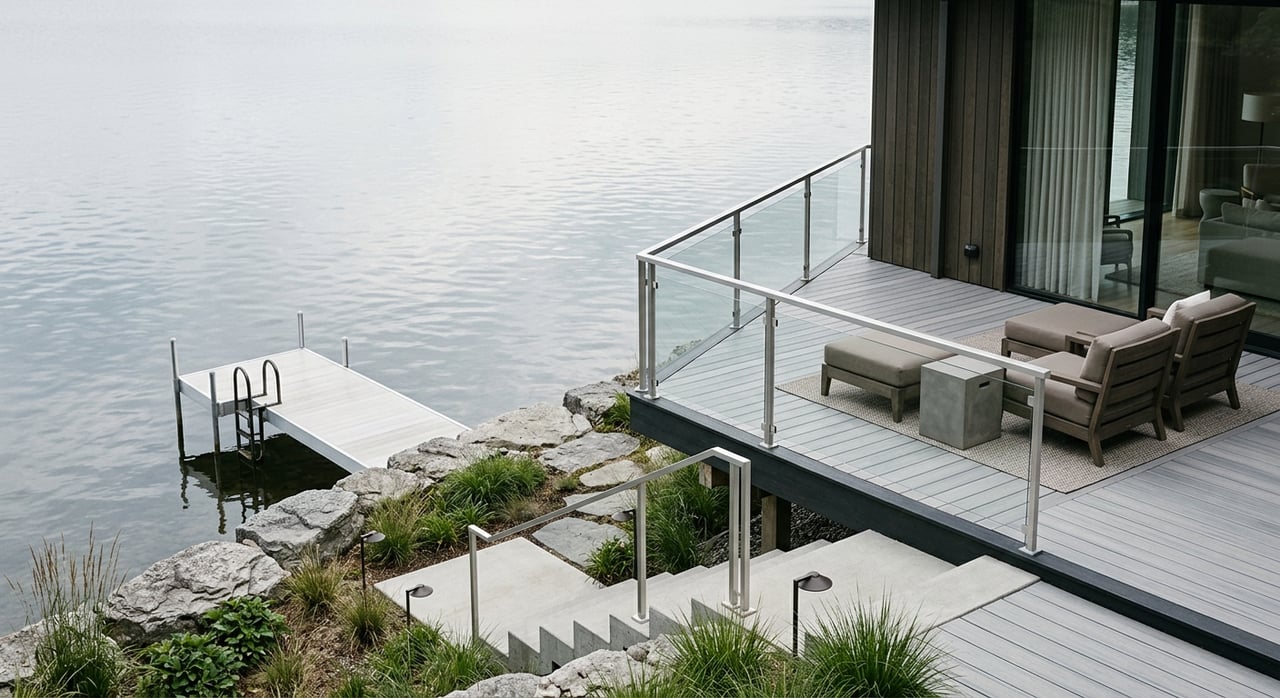
Are you thinking about selling your Lake Orion lakefront home and wondering how to do it without leaving money on the table? Waterfront homes attract strong interest, but they also bring more questions, more moving parts, and a more specialized pricing conversation than a typical suburban listing. If you want to sell with confidence, it helps to know what buyers will study, what prep matters most, and how to position your home for the right audience. Let’s dive in.
Why Lake Orion lakefront stands apart
Lake Orion is not just another address in Oakland County. The Village describes it as a more than 350-acre all-sports lake with scenic views, waterfront homes, fish and wildlife habitat, and recreational access, including public boat docks and access at Green’s Park.
That matters when you sell. Buyers are not only comparing your house to other homes. They are also comparing your property’s water access, privacy, shoreline use, and views to the broader Lake Orion lifestyle.
Because of that, lakefront value is highly specific. A home with better frontage, a more usable shoreline, or a stronger dock setup may appeal very differently than a home with similar square footage inland.
What Lake Orion buyers want to know
When buyers shop for waterfront property, they usually start with the lake itself. Then they look at how your property connects to it day to day.
Water access and views
For many buyers, the biggest questions are simple: How easy is it to get to the water, and what does the view feel like from the house? A clear path from the home to the shoreline, visible seating areas, and a strong view corridor can shape how buyers experience the property.
Waterfront educational guidance from the Appraisal Institute also notes that, all else equal, more linear waterfront frontage can contribute to greater value. That is one reason lakefront homes should be compared with similar waterfront properties, not broad inland inventory.
Shoreline type and usability
Buyers often ask what the shoreline is actually like in real life. Is it sandy, rocky, steep, or soft underfoot? Can you enter the water easily, or is the edge better suited for sitting, docking, or enjoying the view?
You do not need to oversell it. You do need to describe it clearly and prepare for direct questions, especially from buyers trying to picture swimming, boating, or hosting guests.
Dock details and seasonal setup
Dock questions come up early in many waterfront sales. Buyers may ask whether the dock is included, what condition it is in, and whether it is seasonal or left in year-round.
Michigan EGLE states that seasonal private docks and hoists generally do not require a permit if they meet rule conditions, while permanent docks or permanent boat hoists left in year-round do require a permit. If your setup is a selling feature, having those details organized can help reduce uncertainty.
Floodplain and seasonal changes
Lakefront buyers also want to know how the property performs across the year. Water levels, heavier summer boat traffic, and wet-season conditions can all affect how a buyer sees the property.
Lake Orion planning documents note that the 100-year floodplain follows the lake perimeter at lower elevations, and that lake levels are generally controlled by a dam at the M-24 bridge. That makes it smart to be ready for practical questions about elevation, shoreline stability, and use during higher-water periods.
Why pricing needs a waterfront lens
One of the biggest mistakes a lakefront seller can make is relying too heavily on broad county numbers. Oakland County may be active, and recent reports describe it as a seller’s market, but those numbers are only background when you are pricing waterfront real estate.
Comparable sales matter more here
The Appraisal Institute’s sales comparison guidance emphasizes using comparable properties from the relevant market area and price range. For a Lake Orion lakefront home, that means the most useful comparisons are other similar waterfront properties, not inland subdivisions with similar bedroom counts.
Two homes may look close on paper and still command very different values. Frontage length, shoreline type, dock inclusion, water access, and view quality can all shift buyer demand.
Lifestyle drives value
Waterfront buyers are often choosing a lifestyle as much as a structure. A property with a private dock, calmer near-shore water, a usable seating area, and a more private feel may attract a different buyer than a home with a dramatic view but limited shoreline use.
That is why your pricing strategy should reflect how the home lives on the water, not just how many square feet it offers.
When to start preparing to sell
If your goal is to sell in the next 6 to 18 months, early planning can make a real difference. Waterfront homes often need a longer prep runway because condition, permits, seasonality, and presentation all matter.
Spring is often the clearest launch window
A spring launch is often the most practical target for Lake Orion lakefront sellers. It lines up with the broader housing season and also gives buyers a better chance to evaluate the shoreline, dock, water, and outdoor spaces.
National 2026 data from Realtor.com points to mid-April as a strong selling window, with higher prices, more views, less competition, and faster sales compared with a January listing. While that is not lakefront-specific, it supports the value of a spring strategy.
Waterfront homes may need more exposure time
Waterfront properties can also take longer to market than standard suburban homes. The Appraisal Institute provides an example showing a highly desirable waterfront home might have an exposure time of 120 to 180 days, compared with 60 to 90 days for the wider market.
That does not mean your home will take that long to sell. It does mean your pricing, preparation, and marketing plan should be thoughtful from the start.
Dock and shoreline prep before listing
If you are considering improvements near the water, timing matters. Many shoreline and water-edge projects are not last-minute items.
Know what may require permits
Michigan EGLE requires permits for certain inland lake activities under Part 301, including dredging, filling, structures on bottomlands, marina changes, and other construction on inland lakes and streams. EGLE also notes that spring and summer are the busiest seasons for Joint Permit Applications.
If you are thinking about shoreline work, drainage work, a boardwalk, dock changes, or anything that affects the water’s edge, it is wise to address that well before listing photos are scheduled.
Avoid rushed shoreline changes
Sellers sometimes wonder if they should add sand, move sediment, or rework the shoreline just before going to market. EGLE states that fill below the water line and dredging below the ordinary high-water mark require permits.
In many cases, the safer pre-listing move is not a major alteration. It is presenting a shoreline that looks clean, maintained, and consistent with the setting.
A natural-looking shoreline often shows better
EGLE recommends natural shoreline treatments where possible and cautions that new shoreline hardening can have negative effects on natural resources and nearby shoreline properties. For sellers, that is a helpful reminder that neat, well-kept, natural-looking waterfront edges often create a better impression than heavily altered ones.
Simple maintenance, clear access, and an orderly dock area can go a long way.
How to market a Lake Orion lakefront home well
A strong waterfront listing should show more than the interior. Buyers need to understand how the property works from the house to the lake.
Show the full lake relationship
Photography should capture the dock, shoreline, outdoor circulation, seating areas, and the primary views. Lake Orion planning documents repeatedly identify scenic lake views as part of the area’s character, so visuals that clearly communicate the setting are essential.
This is especially important for online buyers, who often decide whether to visit based on how clearly the listing explains the waterfront experience.
Answer buyer questions before they ask
Good marketing also reduces friction. If buyers are likely to ask about the dock, shoreline type, seasonal water changes, or floodplain considerations, the listing strategy should be ready to address those topics clearly and accurately.
That kind of preparation helps buyers feel informed and helps your home stand out for the right reasons.
Match the message to the property
Not every lakefront home offers the same experience. Some properties are ideal for easy boating access. Others shine because of views, privacy, or a more peaceful shoreline feel.
The most effective marketing frames the home around the kind of water access it offers, the nature of the shoreline, the dock situation, and the buyer who will value that combination most.
Selling with confidence starts with local strategy
Selling a Lake Orion lakefront home is rarely a plug-and-play process. The details that drive buyer interest and value are highly local, and they often involve shoreline characteristics, dock setup, seasonal timing, and pricing from true waterfront comparables.
When you build your plan early, you give yourself more control. You have time to prepare the property, organize the right details, and launch when buyers can best appreciate what makes your home special.
If you are planning ahead for a Lake Orion waterfront sale, working with a team that understands Oakland County, local positioning, and high-touch marketing can help you move forward with clarity. To start your valuation conversation, connect with Ryan Nelson.
FAQs
What makes pricing a Lake Orion lakefront home different from pricing an inland home?
- Lakefront pricing should be based on comparable waterfront properties in the relevant market area, with close attention to frontage, shoreline type, dock setup, water access, and view quality.
When is the best time to list a Lake Orion waterfront home?
- Spring is often the strongest window because buyers can more easily evaluate the water, shoreline, dock, and outdoor living areas.
Do Lake Orion sellers need to worry about dock permits?
- It depends on the dock setup. Michigan EGLE states that permanent docks or permanent boat hoists left in year-round require permits, while seasonal private docks and hoists generally do not if they meet rule conditions.
What shoreline issues do buyers ask about in Lake Orion?
- Buyers often ask about shoreline type, swimming access, water-level changes, boat traffic, floodplain considerations, and whether the shoreline is easy to use in different seasons.
Should you make shoreline changes before selling a Lake Orion waterfront home?
- Major shoreline changes should be planned carefully because some work, including fill below the water line or dredging below the ordinary high-water mark, requires permits from Michigan EGLE.