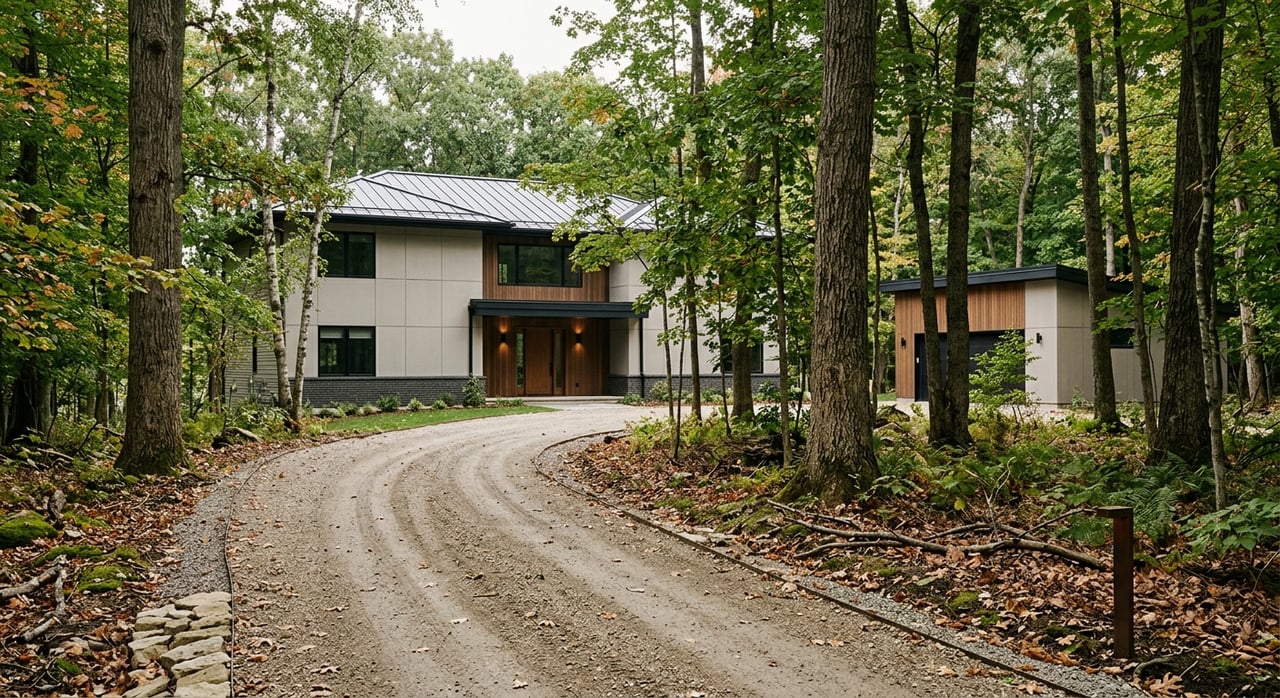
Are you dreaming about more space, more privacy, and a quieter daily pace without feeling cut off from everything? Owning land in Oakland Township can offer exactly that, but it also comes with responsibilities that are different from life on a typical suburban lot. If you are considering acreage here, it helps to know what daily life feels like, what rules can affect your plans, and what to verify before you buy. Let’s dive in.
Oakland Township Lifestyle
Owning land in Oakland Township often feels like living closer to nature while staying connected to Metro Detroit. The township is on the northeastern edge of Oakland County and is known for a lower-density, wooded, rural-leaning setting. That makes it appealing if you want breathing room, natural views, and a little more separation from nearby neighbors.
This is not the same experience as living in a conventional subdivision. Oakland Township has retained many elements of a rural residential community, and that shows up in the lot sizes, the open space, and the natural features woven into the landscape. You are more likely to notice tree lines, rolling terrain, wetlands, meadows, and wildlife as part of daily life.
The township itself gives a strong picture of that lifestyle through its park system. More than 1,500 acres have been preserved across 16 parks, several greenspaces, and the Paint Creek Trail. Natural areas include streams, wetlands, woodlands, and meadows, which helps explain why so many buyers look here when they want land with a peaceful, outdoors-focused feel.
What Daily Life Feels Like
If you buy land in Oakland Township, your day-to-day routine may feel calmer and more private than in many nearby communities. You may have longer driveways, fewer houses in sight, and more room to enjoy your property in your own way. For many buyers, that is the biggest draw.
The setting also invites outdoor living. Places like Bear Creek Nature Park and Lost Lake Nature Park reflect the kind of environment people often hope to find here, including hardwood forest, marsh, open fields, rolling hills, lake access, and frequent wildlife sightings. Activities such as walking, hiking, biking, horseback riding, and nature viewing are a natural part of the local rhythm.
At the same time, land ownership here usually asks more of you. A larger property often means more mowing, more leaf cleanup, more tree care, and more winter access work than you would have on a smaller suburban lot. If you love the idea of space, it is important to be just as honest about the upkeep that comes with it.
Why Buyers Choose Land Here
A big reason buyers are drawn to Oakland Township is the balance between space and convenience. You can enjoy a quieter, conservation-minded setting while still being close to useful amenities. That combination is hard to find in many Metro Detroit suburbs.
The Paint Creek Trail is a major local asset. The 8.9-mile trail runs through Rochester, Rochester Hills, Oakland Township, Orion Township, and the Village of Lake Orion, and supports biking, hiking, horseback riding, jogging, and cross-country skiing. If you want a property that feels tucked away but still keeps recreation close to home, this adds real value to everyday life.
You are also near Rochester’s downtown area, which includes more than 400 shops, salons, restaurants, and professional service businesses, along with parks and trails. For many buyers, that means you do not have to choose between elbow room and convenience. You can have a more natural setting at home and still stay within reach of dining, errands, and community events.
Land Ownership Means More Upkeep
One of the biggest differences between owning land in Oakland Township and owning a home on a compact lot is maintenance. The township’s zoning approach for very low-density residential areas is built around large lots, open space, minimal paving, and protection of natural features. In practical terms, that often means more yard work and more property management.
You may need to stay on top of mowing, brush management, seasonal cleanup, and driveway conditions. Tree work can also become part of regular ownership, especially on wooded parcels. In winter, access can take more planning if your property has a longer drive or more exposure to drifting snow.
Some properties may also rely on private systems. If a parcel uses a private well, Oakland County says the owner is responsible for testing, with annual bacteria and nitrate testing recommended and periodic arsenic testing as well. Oakland County Environmental Health also issues permits for onsite sewage disposal systems, so it is smart to understand whether a property uses public utilities or private well and septic before you move forward.
Zoning Rules Matter More Than You Think
When you buy land in Oakland Township, parcel-specific rules can shape what you can actually do with the property. This is one of the most important things to understand early. Two parcels that look similar on the surface may come with very different development options.
In the Very Low Residential Density District, the ordinance is designed for very low-density single-family development with a rural character. It emphasizes large lots, open space, minimal road paving, and preservation of natural features through tools such as conservation easements. Minimum lot area is 100,000 square feet without sewer and 75,000 square feet with sewer.
That matters if you are thinking beyond the existing house. You may be asking whether you can add a detached garage, a workshop, extra storage, or space for hobby use. The answer often depends on the exact zoning district, setbacks, existing improvements, and whether the property already has a principal building.
Outbuildings and Animal Uses
Larger properties can create possibilities that smaller suburban lots usually do not. Accessory buildings and structures are permitted as accessory to a principal use, and the ordinance also permits agriculture, farms, and farm buildings in the Very Low Residential Density District. For some buyers, that flexibility is part of the appeal.
Still, there are limits. In single-family districts, accessory buildings are generally capped at 15 feet in height unless larger setbacks are provided, and no accessory building may be built unless there is already a principal building on the lot. If you are shopping for a parcel and imagining future improvements, these details matter.
Animal-related uses can involve an even more specific approval path. Stable and riding academy uses are treated as special land uses, and in the Recreation Conservation district they require at least 15 acres and 330 feet of lot width, along with significant setbacks and manure-disposal rules. If you want horse-friendly property or a barn setup, it is especially important to confirm what the zoning allows on that exact site.
Trees, Wetlands, and Site Reviews
Natural beauty is one of Oakland Township’s biggest advantages, and it is also something the township actively protects. The local tree ordinance treats tree preservation as a paramount concern and requires tree-removal permits in many development situations. Removed trees may need to be replaced or relocated, and if replacement on site is not feasible, funds may go into a township tree fund.
This can affect buyers who assume they can simply clear parts of a property after closing. On acreage, site work can involve more review than expected. Depending on the parcel and your plans, development may also trigger floodplain or wetland review, plus stormwater or erosion-control review.
That does not mean land ownership here is difficult. It means the process rewards careful due diligence. If a property’s value to you depends on building, clearing, expanding, or reshaping the site, you want clear answers before you buy.
What To Verify Before You Buy
Before purchasing land or a home on acreage in Oakland Township, focus on a few practical checks. These steps can save you time, money, and frustration later.
- Verify the property’s zoning district.
- Confirm whether the parcel has public water and sewer or private well and septic.
- Ask whether wetlands, floodplain areas, or stormwater rules affect the site.
- Review any tree-protection or land-clearing restrictions.
- Check whether your desired accessory structures or uses are allowed.
- If you are considering animal-related use, confirm the approval path and parcel requirements.
- Understand local permit needs, including brush burning if that is relevant to your plans.
These are not small details. In Oakland Township, they are part of understanding what ownership will really look like once the keys are in your hand.
Is Oakland Township Right for You?
Oakland Township can be a great fit if you value privacy, natural surroundings, and room to spread out. It is especially appealing if you want a home base that feels quieter and more wooded than a standard suburban neighborhood. For the right buyer, that tradeoff is worth it every day.
It may be less ideal if you want a low-maintenance property with very few seasonal chores. Owning land here usually means more hands-on care, more planning, and more attention to zoning and site conditions. The payoff is a lifestyle that feels more open, more peaceful, and more connected to the landscape.
If you are exploring Oakland Township, the best next step is to look beyond the listing photos and understand how each parcel functions in real life. The right guidance can help you weigh lifestyle, property condition, and land-use rules so you can buy with confidence. If you are thinking about acreage in Oakland Township or preparing to sell a unique property, connect with Ryan Nelson for thoughtful, local guidance.
FAQs
What is it like to own land in Oakland Township, MI?
- Owning land in Oakland Township usually means more privacy, more natural surroundings, and a quieter daily pace, along with more maintenance and more parcel-specific due diligence than a typical suburban property.
What should buyers verify before buying land in Oakland Township?
- Buyers should verify zoning, utility setup such as public water and sewer versus private well and septic, and whether tree, wetland, floodplain, stormwater, or accessory-structure rules affect the parcel.
Are large lots common in Oakland Township?
- Yes. The township’s very low-density residential zoning is designed around large lots, open space, minimal paving, and preservation of natural features.
Can you build an outbuilding on land in Oakland Township?
- Possibly, but it depends on the zoning district, setbacks, and whether there is already a principal building on the lot, since accessory buildings are subject to local rules.
Does owning acreage in Oakland Township require more upkeep?
- Yes. Larger properties often involve more mowing, tree work, seasonal cleanup, and winter access maintenance than smaller lots in a conventional subdivision.
What outdoor amenities are near Oakland Township properties?
- Oakland Township offers access to preserved parks, natural areas, and the Paint Creek Trail, and it is also near Bald Mountain Recreation Area and the amenities of downtown Rochester.