Dreaming of mornings on the dock and sunset cruises right from your backyard? Buying a Lake Orion waterfront home can deliver that lifestyle, but the lake adds a few extra layers of homework. You want the fun without surprises like dock disputes, permitting delays, or unexpected repair bills. In this guide, you will learn the key rules, inspections, costs, and steps that matter most on Lake Orion. Let’s dive in.
Lake Orion at a glance
Lake Orion spans about 506 acres with a reported maximum depth near 80 feet and several islands, which shapes boat traffic, shoreline exposure, and dock styles. You will find busy boating corridors and quieter coves that feel more protected. Those features keep demand high and inventory tight for prime frontage. Plan to move quickly on the right home, with a clear checklist in hand. Source
Know the rules before you tour
Village vs. township boundaries
Waterfront parcels sit either in the Village of Lake Orion or Orion Township. Local codes can differ on watercraft enforcement, parking, and marine safety. The Village has been updating watercraft and marine safety regulations, so confirm which jurisdiction applies to the address and whether any changes affect your use. Review the Village’s public notice on Ordinance No. 12.10 to stay current. See the Village notice
Watercraft controls you will use daily
Michigan’s special local controls for Lake Orion matter for everyday boating. Expect a slow or no wake requirement within 100 feet of shore, docks, rafts, swim areas, and moored boats, plus night restrictions and an overall speed cap. Learn where local markers and 100‑foot zones sit relative to the lot you are considering. This protects shorelines and helps you avoid citations. Review the DNR’s local controls
Lake association practices
Lake Orion Lake Association publishes special lake rules and runs the no wake buoy program. Even where not codified in law, association practices shape daily life on the water. Check whether the property participates in any shared dock or buoy arrangements and how guest boat rules work. Read LOLA’s special lake rules
Docks, lifts, and mooring rights
Not all docks are created equal. Some are deeded to the parcel, others are licensed or governed by riparian agreements. Seasonal versus permanent installations may be treated differently, and structures placed below the ordinary high water mark can fall under state permitting. Ask for the deed, survey, any recorded easements, and a permit history for the dock and lift.
Also verify who assigns slips and how guest boats are handled if an association is involved. When in doubt, get answers in writing before you remove contingencies. You want to know exactly what you are buying and where your boat can go the first weekend you move in.
Shoreline structures and permits
Seawalls, riprap, shore projections, and dredging are regulated by Michigan’s EGLE under NREPA. Projects fall into permit tiers that can change timelines and requirements. A small‑looking repair can jump to a higher review category depending on scope and current rules. Check EGLE’s permit categories early and keep copies of all past permits and approvals. Explore EGLE permit categories
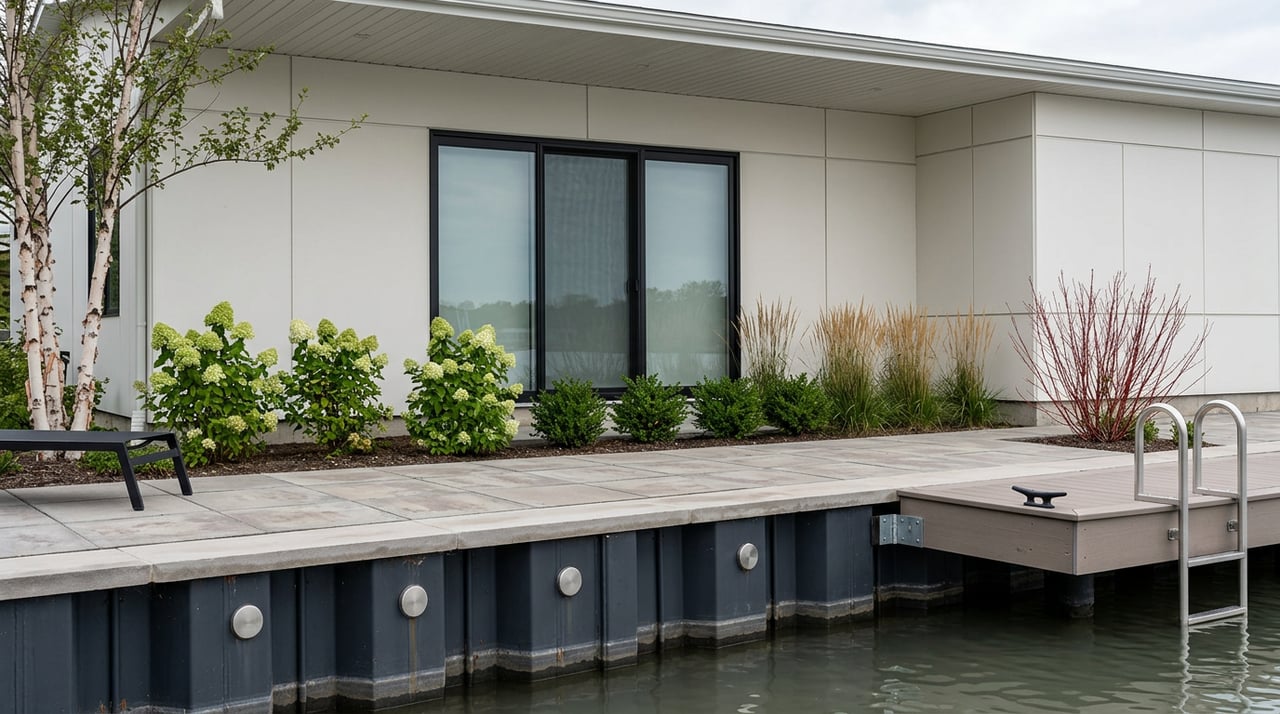
Existing seawalls vary widely in condition. Look for undercutting, bowing, rusted tie‑backs, or missing toe stone. Replacement or major repair can be significant, and many projects now favor softer approaches like properly sized riprap or bioengineering where feasible. State enforcement actions have occurred when work proceeds without required permits, which is a clear reason to confirm documentation. See a DNR enforcement summary
Septic, sewer, and wells
Some lakefront homes connect to public sewer while others use on‑site septic systems. The Oakland County Health Division oversees permits, site evaluations, and licensing for on‑site sewage disposal systems. If the property has a septic system, request pump‑out and inspection records and schedule a professional inspection before closing. Replacement fields or repairs can be major expenses, so verify feasibility on that specific lot. Check Oakland County Environmental Health
If a private well serves the home, add a well inspection and water quality test to your due diligence. For sewer‑served properties, confirm availability, past bills, and whether any special assessments apply.
Flood zones and insurance
Flood risk is highly property specific. Use FEMA’s Flood Map Service Center to check the exact address and determine whether the structure lies in a Special Flood Hazard Area. If it does, most lenders will require flood insurance and will factor that into underwriting and your monthly payment. Even outside mapped zones, a lender may still require coverage. Confirm the property’s map status and talk to your lender early. Search FEMA’s mapping portal
Navigation and bridge clearance
Lake Orion features islands connected by bridges, including Bellevue and Park islands. Clearance limits matter if you own a tall boat or sailboat. The Bellevue Bridge is cited at about 9.6 feet of clearance, and the Park Island bridge allows only small craft beneath it. Verify where you plan to boat and whether your vessel can clear those points from your dock location. Learn lake details
Real costs and timelines to expect
- Seawall work: Consumer cost guides show rough residential ranges around 150 to 600 dollars per linear foot on inland lakes. A typical 100‑foot project might be 15,000 to 60,000 dollars as a broad estimate, with complex or engineered jobs costing more. Always get site‑specific bids. See estimated seawall costs
- Dock repairs: Small fixes may run a few hundred to a few thousand dollars. Full replacement or piling work can be several thousand to five figures, depending on materials and barge access.
- Permits and seasons: EGLE permit tiers and local approvals can add weeks to months. Many contractors also schedule shoreline work around lake levels and weather. Build that time into your move‑in plans.
Your due diligence checklist
Use this list to keep your search on track:
- Confirm the property’s jurisdiction and which code applies. Review recent Village actions on watercraft rules if the parcel is inside village limits.
- Request permits, plans, invoices, and maintenance records for seawalls, docks, riprap, and any shore work.
- Order specialized inspections: home, marine dock and lift, and a seawall or shoreline engineer review. Consider underwater assessment if signs of failure are present.
- Verify sewer connection or, if septic, schedule a full system inspection and well test when applicable. Ask Oakland County for any permit history.
- Run the address through FEMA’s mapping portal and note whether flood insurance will be required by your lender.
- Confirm dock rights in writing. Review deed, survey, easements, and any shared or assigned slip agreements.
- Ask for lake management history: weed treatments, buoy placement maps, and any dredging records that affect your shoreline use.
- Get written repair or replacement estimates for seawall and dock from licensed marine contractors before you waive contingencies.
- Check municipal agendas and minutes for upcoming watercraft rule changes or lake projects that could affect your shoreline.
- Align financing with waterfront realities. Discuss flood insurance and property condition requirements with your lender early.
How local expertise helps
Lake rules, permits, bridge clearances, and shoreline conditions are hyperlocal on Lake Orion. A local guide can flag the right questions fast, point you to the correct jurisdiction, and help you interpret permit histories. That insight can save you from costly surprises while you compete for limited waterfront inventory. It also keeps your closing timeline realistic.
Ready to evaluate a specific property or map your search strategy? Reach out to Ryan Nelson for local guidance tailored to your goals on Lake Orion.
FAQs
What are the key boating rules on Lake Orion?
- Michigan’s local controls require slow or no wake within 100 feet of shore, docks, rafts, swim areas, and moored boats, with night rules and a speed cap also in effect.
How do I know if the dock is included with the property?
- Ask for the deed, survey, and any recorded easements or association agreements to confirm riparian rights, assigned slips, and whether the dock is deeded or licensed.
Do I need permits to repair or replace a seawall?
- Many shoreline projects require EGLE review, so check permit categories early and keep documentation for any past or planned work.
Is flood insurance required for Lake Orion homes?
- If a structure lies in a FEMA Special Flood Hazard Area and you use a federally regulated lender, flood insurance is typically required.
Who oversees septic systems for lakefront properties?
- The Oakland County Health Division manages permits and records for on‑site sewage systems and can guide inspections and replacement feasibility.